Empowering Agri-Businesses for Sustainable Growth and Innovation
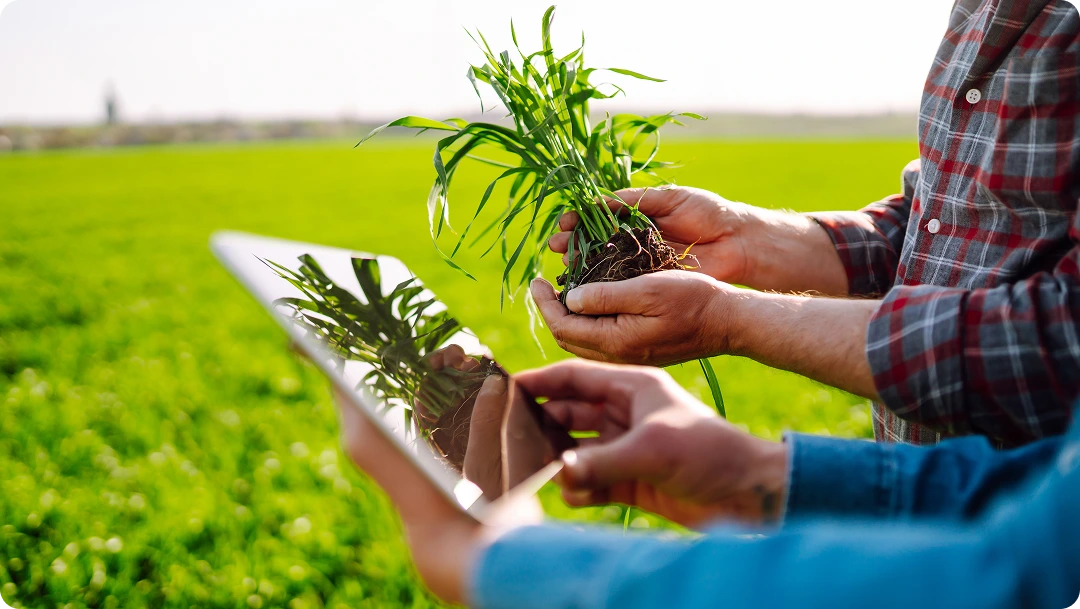
Agribusiness is becoming a new era in which Sustainability in Agribusiness is not an option but a requirement for global agriculture. The agri-enterprises are under pressure to move to cleaner and smarter operations in response to markets, climate issues, and resource constraints. Meanwhile, Innovation in Agribusiness is transforming the way businesses plan, develop and market food. The cumulative change provides a strong platform to agri-businesses that are interested in long-term, responsible growth.
The modern agricultural environment is determined by digitisation, rising input prices, climate-smart farming, and a growing level of strict traceability. Such dynamics necessitate business establishments to reconsider the old-fashioned methods that can no longer ensure competitiveness. In order to be agile, small and big businesses are forced to operate on the principles of Sustainability in Agribusiness, which would make them follow the international standards and enhance their financial security.
Access to real-time information, predictive technology, and digital ecosystems has become a key factor in agri-business empowerment. Such skills improve the planning of crops, allocation of resources and readiness to the market. This is directly connected to Innovation in Agribusiness, as climate intelligence and risk forecasting ensure that business activities remain safe against unexpected challenges so that businesses can conduct operations efficiently and with confidence.
Sustainable growth entails the effectiveness of resources, soil, water and minimising carbon. Technologies like smart irrigation, automation, and sensor networks are precise and allow achieving these objectives without compromising profitability. As businesses adopt Sustainability in Agribusiness into their operations, the business ecosystem also amplifies its output and its impacts on the environment in the long run are reduced, thereby preserving the stability of the ecosystem and improving its performance in terms of economic success.
Digital farming technologies like IoT, AI, robotics, and digital twins enable smarter and resilient operations. The tools that help companies to streamline processes along the value chain include the analytics dashboards, traceability systems, and Farm Management Software. These developments indicate that Innovation in Agribusiness can lead to an increase in predictability and long-term stability. Smart Agriculture System solutions are also integrated in many enterprises to enhance the operational efficiency even more.
A new generation of digital tools is quietly transforming how agribusinesses get things done. Rather than working on guesswork or fragmented facts, teams can now have field-monitoring applications, supply-chain visibility applications, and market-access applications to learn what is being done on the ground in real time. These systems work together rather than in silos, and through Digitalization in Agriculture, they make daily operations smoother and far less wasteful.
The advantages are easily felt by those businesses that seek to enhance Sustainability in Agribusiness. Crops grow more consistently, yields become easier to predict, and avoidable losses start to decline.
Consider an example of a horticulture company with a Crop Monitoring System Using IoT. Rather than waiting until their crops develop some signs of stress, the team receives early notifications about when plants require water or care and thus they are able to respond before issues develop. Such a mere change can result in healthier fields and evidently improved yields.
The same can be said about a food processing company that implements digital traceability. All processes, sourcing to packaging, become much easier to track. This has not only assisted the business remain compliant but also enhanced the trust of the customers who desire to understand the origin of their food.
And in the case of an agribusiness with predictive analytics, day to day planning becomes much easier. They are better placed to predict crop cycles, anticipate inventory requirements and plan in advance market changes. These real-world improvements highlight how practical technology can strengthen resilience while opening the door to ongoing Innovation in Agribusiness.
These barriers such as cost, digital literacy, infrastructure disparity, and resistance to change, are still a hindrance to change. However, a gradual approach to modernisation through strategic alliance, focused training and scaled technologies leads businesses. These solutions enable Innovation in Agribusiness along with sustainable development goals.
In the near future, agri-businesses will adopt autonomous operations, regenerative practices, AI ecosystems, and participation in the carbon market. This transformation enhances Sustainability in Agribusiness, which forms a clear, climate-sensitive world food system.
The next sustainable practice in the process of being enabled through continuous innovation is the future of agriculture. By integrating digital technologies and futuristic ideas, companies can be guaranteed of sustainable success through Innovation in Agribusiness and responsible development.


